How to Choose the Right GC for West Palm Beach Renovations and Additions
Home Renovations and Additions in West Palm Beach: How to Choose the Right General Contractor for Your Project
In West Palm Beach, combining a structural addition with an interior renovation — say, a first floor addition alongside a kitchen remodel — means two scopes of work share the same permit cycle, the same subcontractors, and the same living space. That overlap is exactly where a licensed general contractor earns their fee, and where a trade-only contractor falls short. Knowing the difference before you hire protects your timeline, your budget, and your home's resale value.
What Separates a Renovation-Capable GC from a Trade Contractor?
A licensed general contractor manages the full project — structural framing, mechanical and electrical rough-in, finish trades, permit pulls, and inspection scheduling — as a single point of accountability. A trade contractor (plumber, tile setter, electrician) handles only their discipline and cannot legally or practically coordinate the others.
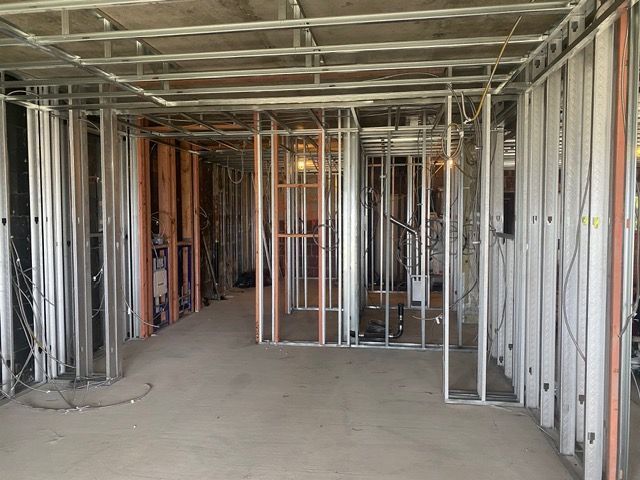
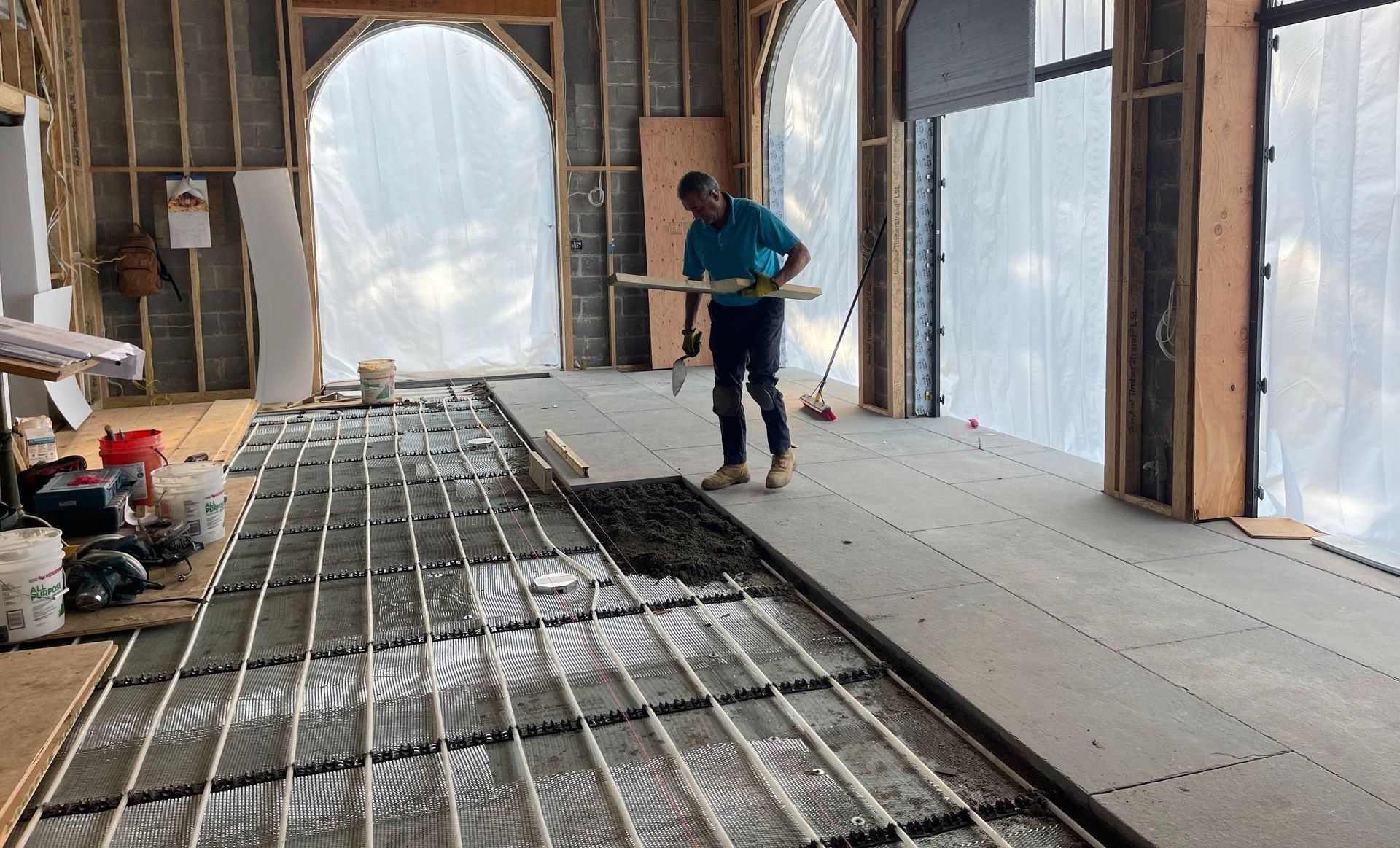
When you add square footage and renovate interior space at the same time, the sequencing is everything. Framing has to close before rough-in, rough-in has to pass inspection before drywall, and drywall has to be done before finish work begins. A GC enforces that sequence across every trade simultaneously. Without that coordination, trades show up out of order, inspections fail, and work gets torn out and redone — all at your cost.
For West Palm Beach renovation projects, look for a contractor whose portfolio specifically includes combined addition and interior renovation work, not just one or the other.
Can One GC Handle a Kitchen Remodel and a Room Addition at the Same Time?
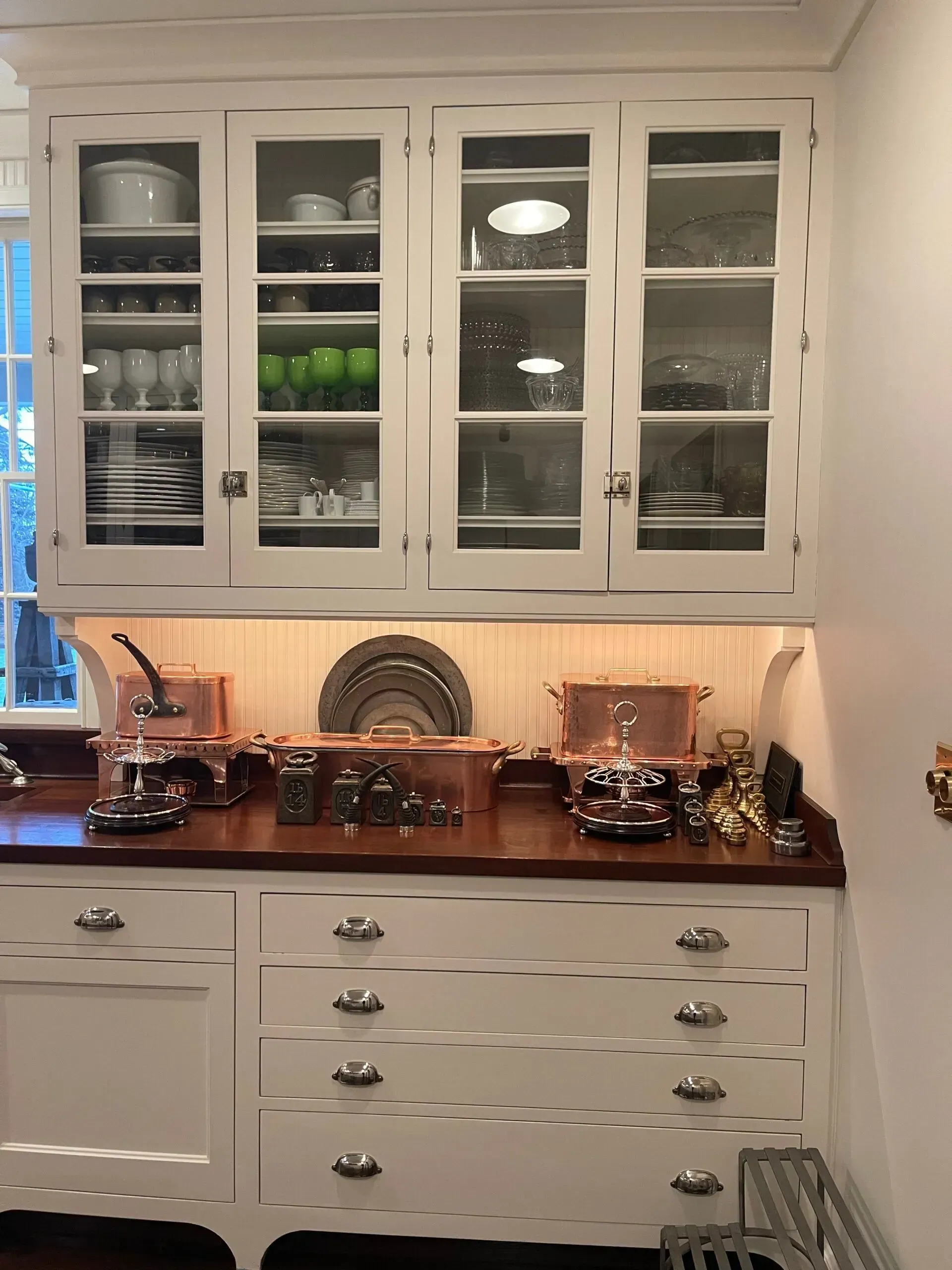
Yes — and doing both with one contractor is actually more efficient than splitting the work, because the structural rough work and the interior rough-in can be scheduled in the same mobilization window.
When a first floor addition is framed out, the same plumbing and electrical crews running pipe and wire for the new space can loop back and complete the kitchen rough-in before leaving the site. That reduces the number of times trades are mobilized, which directly cuts cost and calendar time.
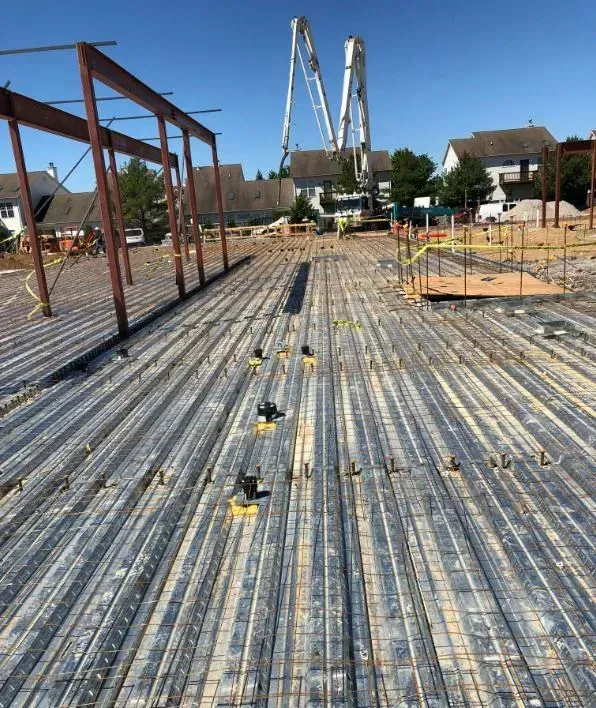
A second floor addition adds structural complexity — the existing roof comes off, a new floor system goes in, and load paths have to be engineered through the existing walls below. Pairing that with a bathroom renovation on the first floor means the same plumber handles both supply and drain work in one trip. A qualified GC phases your living conditions so you retain use of unaffected areas while construction progresses in others.
Palm Beach County Permitting Realities for Home Additions
Any structural addition in West Palm Beach requires a building permit at minimum, pulled through the City of West Palm Beach Building Division. Depending on scope, separate electrical, plumbing, and mechanical permits are also required — each with its own inspection sequence.
Palm Beach County permit review timelines run 4 to 12 weeks depending on submission completeness and project complexity. A licensed GC submits complete drawing packages the first time, reducing the back-and-forth that stretches review periods. A homeowner-builder can pull their own permits under Florida law, but structural additions require engineered drawings and code compliance that most homeowners cannot produce independently.
Unpermitted additions create title problems in Florida. When you sell, the buyer's lender will require proof that work was permitted and closed — no final inspection means no permit closure, and that surfaces in title searches. The cost to retroactively permit or demolish unpermitted work almost always exceeds the cost of doing it right the first time.
HOA and architectural review requirements in many West Palm Beach neighborhoods add another layer. A locally experienced GC knows which communities require ARC approval before a building permit application and can sequence those submissions correctly.
How Do You Compare GC Bids Fairly for a Combined Project?
Fair bid comparison requires itemized scopes — not just a bottom number. Ask each contractor to break out demolition, structural work, MEP (mechanical, electrical, plumbing), finishes, permit fees, and a contingency line separately.
When you compare line by line, gaps become visible. A bid missing permit costs means either the contractor does not plan to pull permits, or those costs will appear as a change order later. Vague subcontractor language — 'electrical allowance' instead of a named scope — signals that the contractor has not actually priced the work. In South Florida's construction market, the lowest bid rarely reflects the lowest final cost.
Ask each GC for references from projects that combined an addition with interior renovation work specifically — kitchen remodels, bathroom renovations, or bedroom additions. A contractor experienced with one scope may not have managed the coordination complexity of both at the same time.
Verifying Licenses and Insurance in Florida
Florida requires a State Certified General Contractor license (CGC prefix) for structural work. You can verify any contractor's license status and disciplinary history through the Florida Department of Business and Professional Regulation (DBPR) online lookup — search by name or license number. An active license with no disciplinary flags is a baseline, not a bonus.
Beyond the license, confirm general liability insurance and workers' compensation coverage before signing anything. Request certificates of insurance directly from the contractor's insurer, not a copy handed to you. Florida lien law also requires a licensed contractor to provide a Contractor's Final Payment Affidavit at project close — this protects you from subcontractor liens filed against your property after you've paid the GC.
Red Flags When Vetting Contractors for Your West Palm Beach Project
Walk away from any contractor who cannot provide proof of insurance on request, is vague about who pulls the permits, or asks for a large upfront cash deposit. Florida law limits contractor deposit amounts, and a request for more than that limit is a legal and practical warning sign.
Other red flags: no local physical address, no portfolio of renovation and addition projects in Palm Beach County, verbal-only contracts, or promises of unusually fast timelines. A combined renovation and addition project in West Palm Beach realistically runs 4 to 8 months from permit approval depending on scope — anyone promising significantly less has not accounted for permit review, inspection holds, or material lead times.
Homeowners near the coast should also confirm that the GC is familiar with South Florida wind load requirements, including hurricane strap installation and impact-rated openings. These are code requirements in Palm Beach County, and a contractor unfamiliar with them will produce work that fails inspection.
Homeowners throughout the region — including those considering renovations in Palm Beach — face the same permitting and licensing landscape, so local experience matters regardless of which municipality your project falls in.
Choosing the right general contractor for a renovation and addition project means verifying licensing, comparing itemized bids, and confirming local permitting experience — because those factors determine whether your project finishes on schedule, passes inspection, and adds lasting value to your home.
Schedule a project assessment with S.C. WELLS CONSTRUCTION, LLC to walk through your renovation and addition scope with a licensed contractor who knows West Palm Beach and Palm Beach County inside out.